In the last year, I've delivered 30+ custom Shopify stores. But what stood out most recently wasn't new stores - it was revamps. Five brands came to me with the same situation: they had presence, they had customers, they had a working Shopify store. But something wasn't working the way they needed it to.
Carla Braga, Godhuli, CrockeryWala, Yell, and Tarrit. All running on Shopify themes. Good themes, decent traffic, real customers. All of them wanted something more - and for good reason.
Why Established Stores Outgrow Their Shopify Themes
A Shopify theme is a brilliant starting point. It gets you live fast, looks professional, and works out of the box. For a brand just starting out, there's nothing wrong with it.
But here's where it breaks down: a theme is built for everyone. Which means it's optimised for no one in particular. Every brand on the same theme looks similar enough that customers struggle to tell them apart. The features are preset. The layout is someone else's idea of what a store should look like. And the code? It's loaded with functionality you'll never use - and that slows you down.
Speed is no longer a nice-to-have. Google ranks fast stores higher. Customers leave slow stores faster. In fashion especially, where first impressions are everything, a half-second delay can cost you a sale.
Stores Rebuilt from Scratch
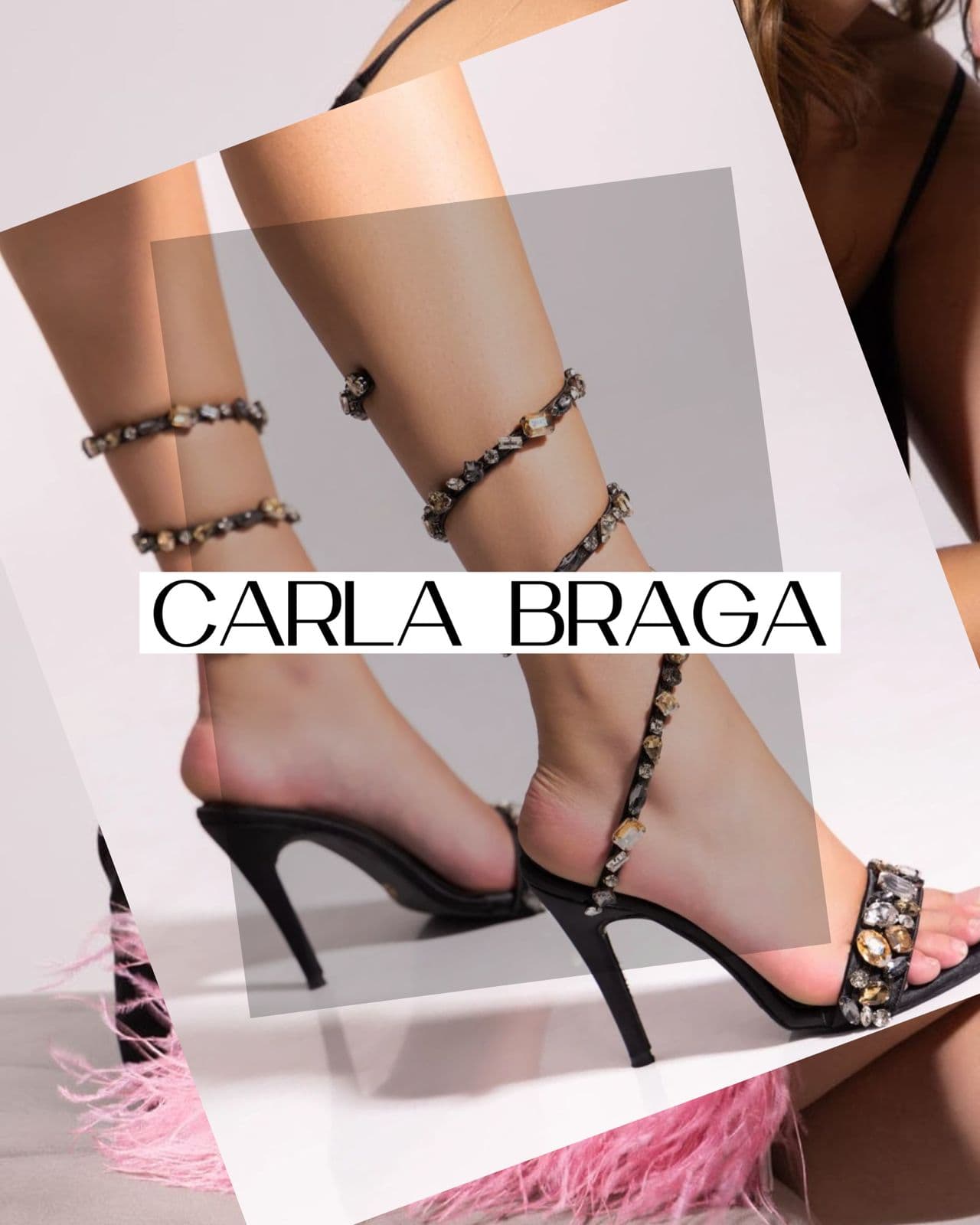
Carla Braga
Women's fashion · Mumbai
Godhuli
Handcrafted fashion · India
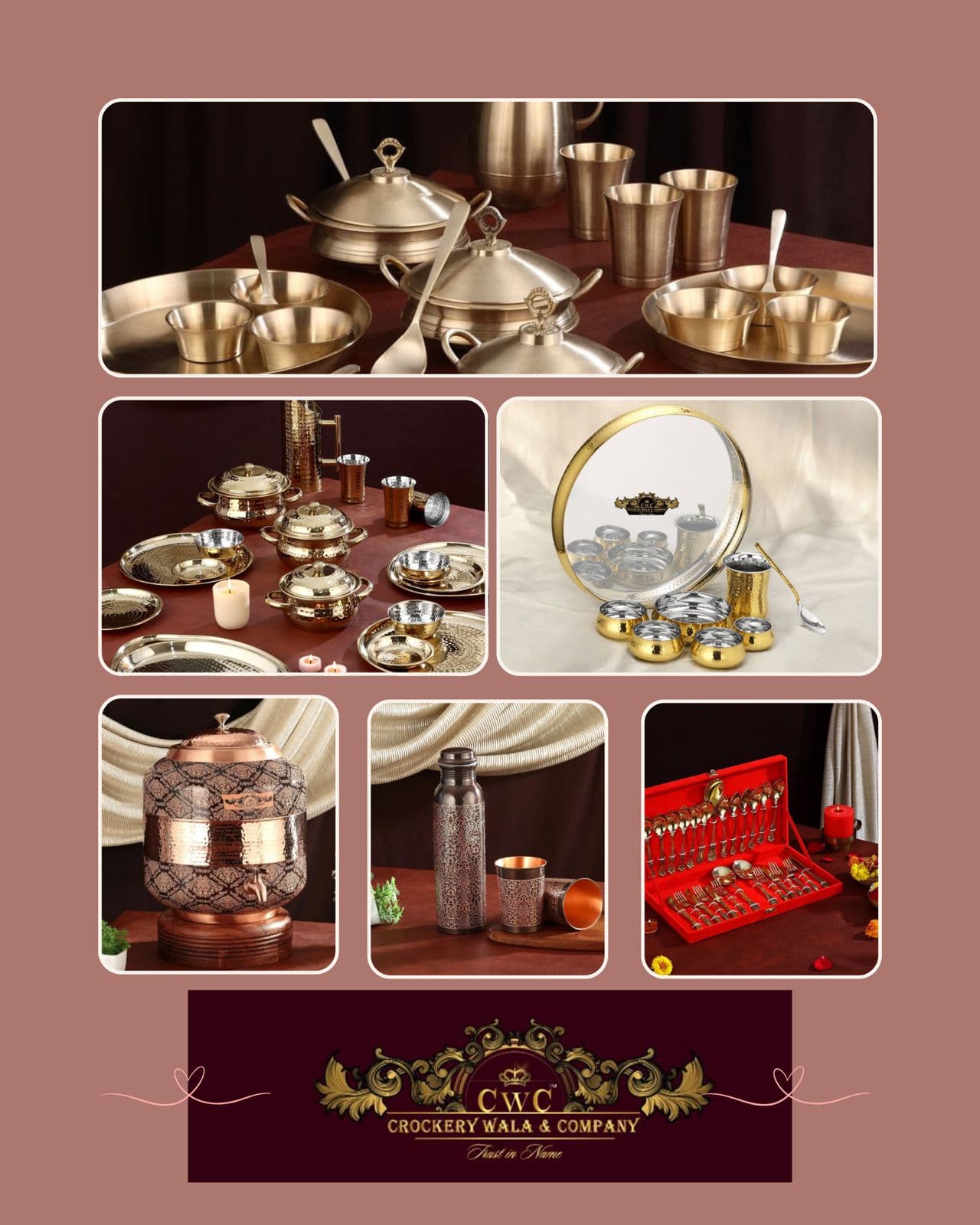
CrockeryWala
Home & Kitchen · India
Yell
D2C brand · India
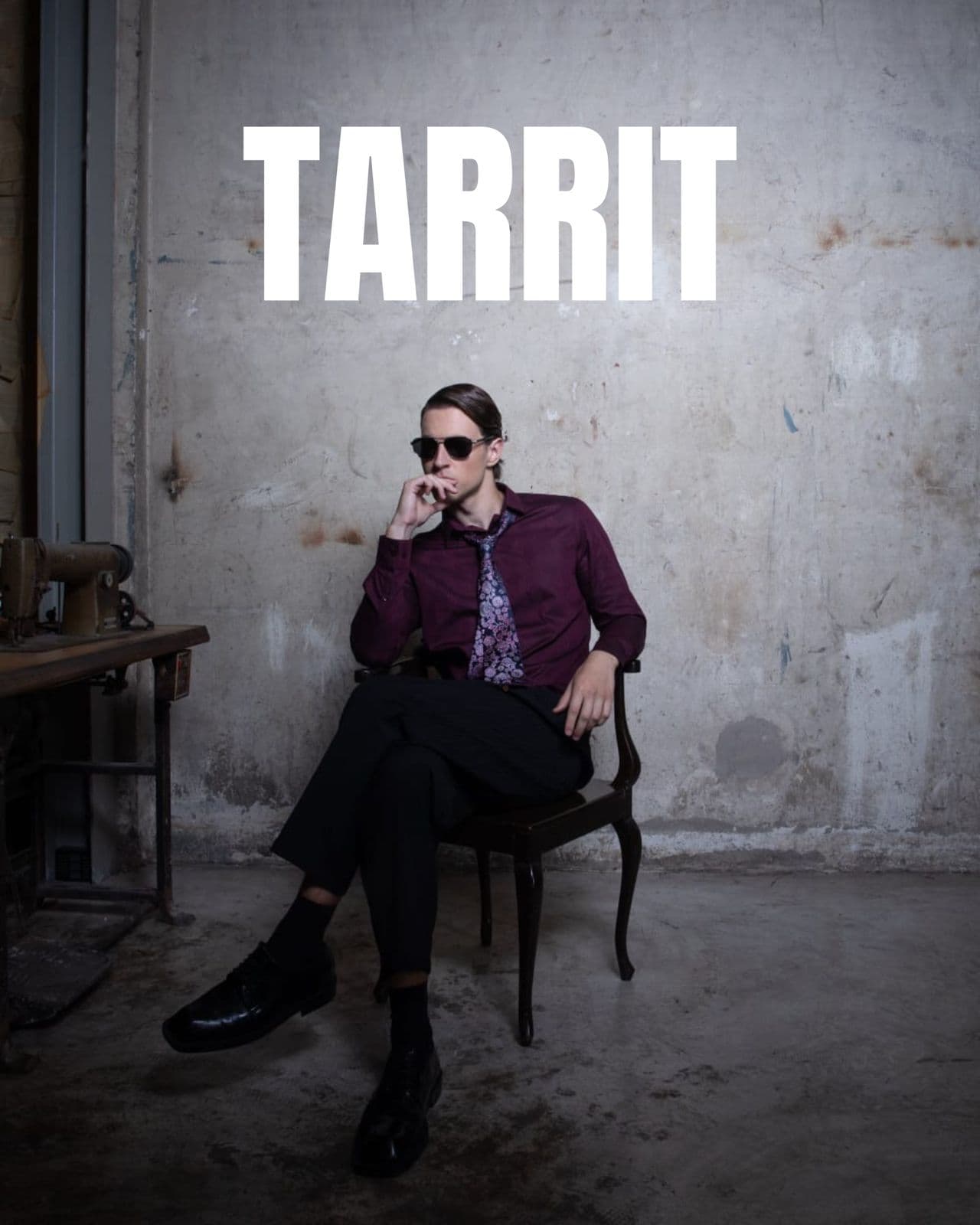
Tarrit
Men's formalwear · Tirupur
What These 5 Brands Actually Needed
Each store had a different problem. But the root cause was the same - a template built for the average store, not for their specific brand.
Carla Braga needed a store that felt as editorial and refined as the brand itself. The theme was functional but generic - it didn't communicate the premium positioning the label deserved.
Godhuli needed a layout that showcased their handcrafted products with intention - not squeezed into a preset grid, but presented the way a handmade product deserves to be seen.
CrockeryWala needed performance. Their existing theme was loading too slowly for the volume of product images they carried. Every second of delay was costing them customers who didn't wait.
Yell needed custom features that simply didn't exist as plugins - functionality built specifically for their business model, not a workaround using three different apps.
Tarrit needed their store to feel like them - the brand, the tone, the customer journey - not a customised version of a theme thousands of other brands were already using.

What Changed After Custom Shopify Development from Scratch
I hand-coded every one of these stores using Shopify Liquid, Alpine.js, and Tailwind CSS. No page builders. No bloated plugin stack. No pre-made templates copied and modified.
The result was stores that load fast, feel exactly like the brand, and have features built for how the business actually works - not how a theme developer imagined it might work.
~2x
Sales growth after launch
< 2s
Mobile load time on every store
Zero
Plugin dependencies for core features
100%
Custom-built to each brand's vision
Sales nearly doubled across these stores after launch. Not because of some marketing magic - but because the store finally worked the way it should. Faster loading kept more people on the page. Better layout meant more people bought. Features built around the actual customer journey pushed average order values up.
Your Store Is Your Brand's First Handshake
There's a common argument for sticking with templates: “Why rebuild something that already exists?”
It's a fair question. And in many contexts, the answer is: don't. But a Shopify store isn't just infrastructure. It's the first thing your customer sees. It's the experience they have before they trust you with their money.
In a world where fashion brands compete globally - where a customer in Delhi is comparing you to a brand in London on the same screen - the store that feels more premium, loads faster, and communicates the brand more clearly wins. Every single time.
If your store doesn't speak your language, it won't speak to your customer either. A template says “I have a store.” A custom build says “This is my brand.” In a competitive market - especially fashion - that difference is the difference between blending in and standing out.
Tech Stack
Built Lean, Built Fast
Shopify Liquid - Native Shopify templating - no third-party rendering overhead
Alpine.js - Lightweight interactivity, a fraction of the size of React or jQuery
Tailwind CSS - Utility-first CSS - only the styles used get shipped to the browser
Should You Invest in Custom Shopify Development?
Your store is getting traffic but conversions are low - it might be the store, not the product.
Your store looks like ten other brands in your niche - customers notice, even if they can't say why.
Every customisation feels like a workaround - you've outgrown your theme.
Your store loads slowly on mobile - you're losing customers before they even see your products.
A custom Shopify store isn't just a redesign. It's your brand built the way you actually want it - with the features you need, the speed your customers expect, and a design that represents you, not a theme.
Related Reading
Thinking about rebuilding your store?
I've delivered 30+ custom Shopify stores. Let's talk about yours.
Get in Touch